Monte-Carlo Gastronomie, announced for 27–30 November 2026, offers a useful starting point for winter hosting in Monaco: meeting producers, asking better questions and choosing food with a clear story. A considered table begins with those decisions, well before the guests arrive.

By AGENCE Monaco

The organiser’s current fair page places the event at the Chapiteau de Monaco and brings together producers from France, Italy and elsewhere in Europe. For an international household, the opportunity extends beyond a tasting. It is a chance to establish who makes a product, how to order it again and which details need confirming before it reaches your table.

A practical plan brings those conversations together: a smaller number of well understood choices, agreed responsibilities and an evening that leaves the host free to take part.

Begin with the people at the table

Before choosing ingredients, write a short brief for the occasion. How many people are coming? Will everyone sit down together, or arrive at different times? Is the meal being prepared by you, a household team or an external chef? These questions affect what can be served comfortably and who needs the final information.

Ask guests about dietary requirements and preferences early. Pass the relevant details to the person preparing the food, who should confirm ingredients and the practical arrangements directly with suppliers. A familiar product name or a traditional recipe does not settle those questions. Leave room for someone who does not drink alcohol, or simply prefers a lighter meal, without turning their choice into an announcement.

Keep the brief proportionate. An informal supper needs clarity just as a larger reception does. One person should hold the final guest count and the latest version of the menu. That prevents a well meant additional order from quietly changing the quantities or the preparation plan.

Make provenance a conversation

At a producer’s stand, begin with a precise question: what part of this product do you make yourselves? Follow with where it is made, where its principal ingredients come from and how the particular product in front of you is identified. Production, maturation, bottling and retailing can be different activities. Ask which the person you are speaking to performs.

Keep a photograph of the label and the producer’s contact details, with permission where appropriate. Record the exact product name and any reference that will help with a repeat order. A general memory of an excellent olive oil or cheese is less useful when somebody else must place the order a month later.

Treat attractive packaging and a persuasive story as invitations to ask more. If a certification matters to your decision, ask the supplier to identify the relevant label and its scope. There is no need to imply that every small producer holds the same credentials, or that a premium presentation establishes origin.

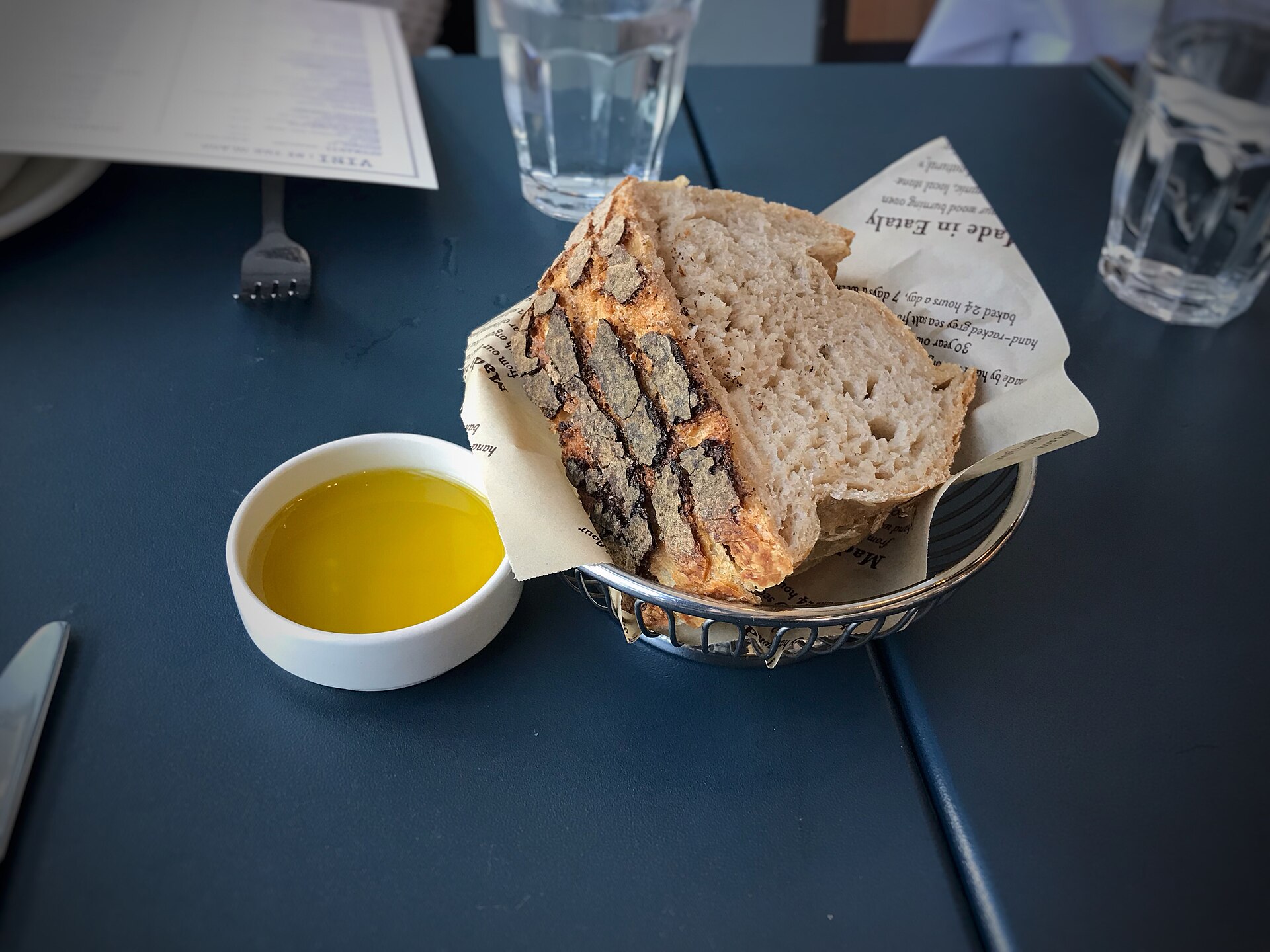
Bread in a basket beside a bowl of olive oil on a blue table.
Bread and olive oil, photographed in Los Angeles in February 2019. General illustration. — Photo credit: T.Tseng / Wikimedia Commons / CC BY 2.0 · CC BY 2.0

Use a tasting to build a relationship

A fair is a concentrated setting. A sample tasted on its own may play a different role alongside the rest of a meal. Decide whether you are looking for one central ingredient, something for an aperitif or a gift that can travel appropriately. This gives the conversation a purpose and reduces impulse buying.

Ask how a later order works. Is the person at the stand the right contact? Is the same item offered throughout the year, or made in limited batches? Can the supplier provide the product information and handling instructions you will need? Confirm what is available rather than assuming that the display represents a permanent catalogue.

If possible, make a modest first order before committing the whole occasion to a new supplier. Taste it with the person who will prepare or serve it. Use that first experience to decide whether the product and the supplier suit the particular occasion you have in mind.

Give a local speciality its proper place

A local detail can be more memorable than a complicated menu. The National Committee for Monégasque Traditions discusses barbagiuàn in its cultural chronicle, including variations in its preparation. That is a useful reminder to let the maker explain their own version rather than presenting one filling as universal.

Ask the maker how their version is intended to be served and which format can be ordered for your occasion. Record the ingredients and the agreed preparation or service arrangements. A recognisable speciality still needs the same precise ordering conversation as any other part of the meal.

More broadly, be accurate about what “local” means. Bought in Monaco, made in Monaco and made with ingredients grown in Monaco describe different things. A product from a neighbouring region can have a clear, worthwhile identity without being relabelled Monégasque. A simple introduction that names the producer is usually enough.

Buy for the table you can comfortably serve

Work backwards from the meal. Agree the dishes, the number of portions and what the kitchen can finish at the same time. Check the equipment, preparation space and serving pieces that will actually be available. A visiting chef should receive this information before the order is finalised.

Give fresh products a realistic place in the preparation plan and follow the supplier’s specific handling instructions. Confirm the arrangements for transport, receipt and preparation with the professional supplying the food. Give whoever receives the order the information they need to handle it correctly.

There is also a useful boundary between generosity and excess. Reserve quantities deliberately. Decide who may approve substitutions and whether an additional purchase is genuinely needed. A shorter menu can allow more attention to each product and less last minute work; it does not require an elaborate explanation to your guests.

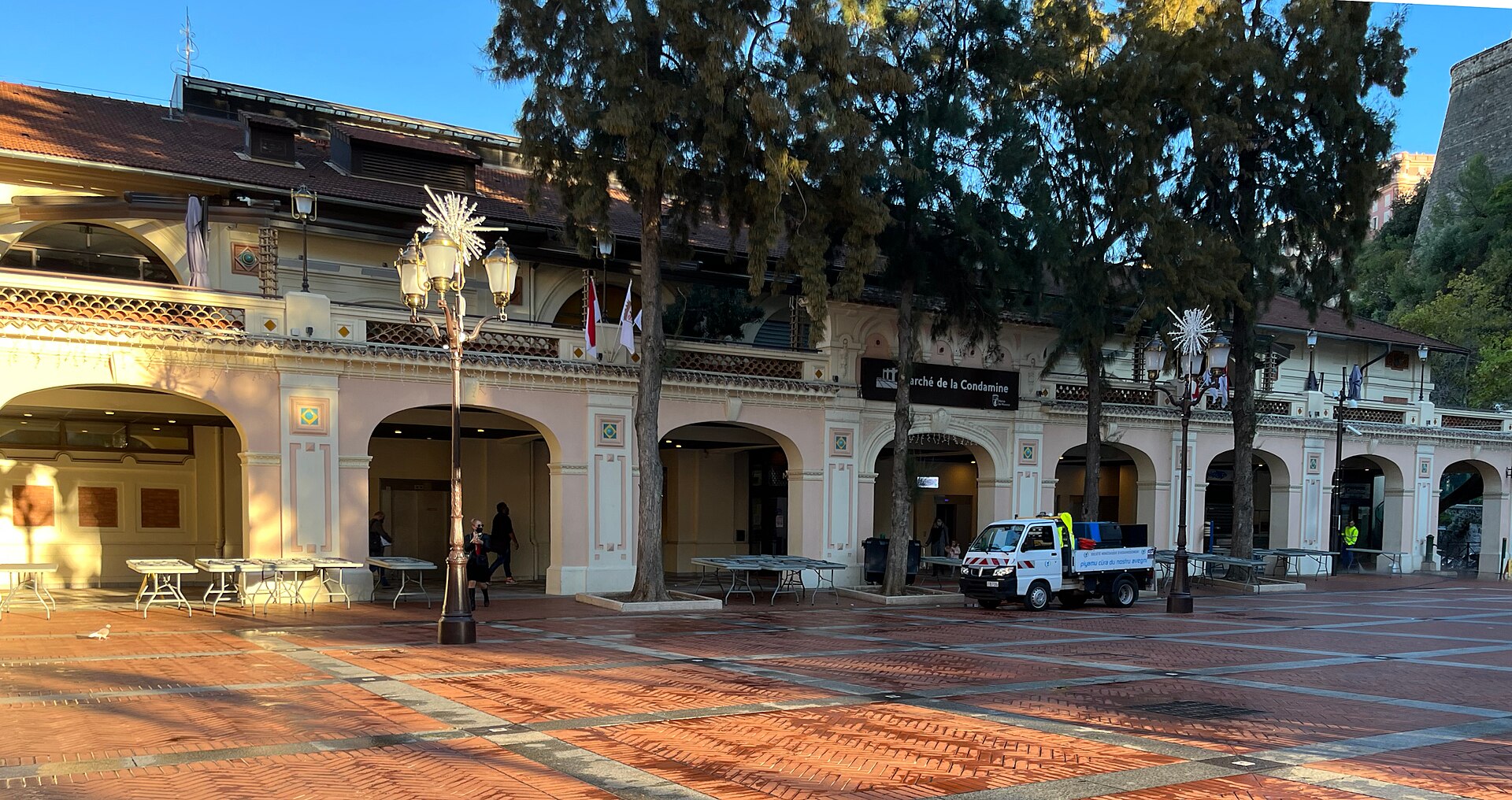
The arcaded façade of the Marché de la Condamine seen from Place d’Armes.
Marché de la Condamine seen from Place d’Armes in November 2021. Archive photograph before the current restructuring. — Photo credit: Benoît Prieur / Wikimedia Commons / CC0 · CC0

Close the loop from order to arrival

For each order, agree the exact item, quantity, date, collection or delivery arrangement and a contact for changes. Confirm who will receive it and tell that person what has been ordered. A note shared with the household team or chef is more reliable than several separate conversations.

The Mairie’s Condamine market page describes a free market-shopping delivery service for private individuals residing in Monaco, Monday to Saturday, 7:30–14:00. Eligibility does not establish that your particular order or requested slot is accepted. Contact the service about the arrangements; do not assume the same conditions apply to fair purchases or a private caterer.

Ask each supplier what to do if an item is unavailable. A substitution may change the preparation, ingredients or intended presentation. The person responsible for the meal should approve it. Set one point of contact so that a practical change does not become a chain of contradictory messages.

Keep the market reference current

At the time of writing, the Mairie identifies Place d’Armes as the temporary setting for Condamine traders while the hall is restructured. Its project update gives February 2027 as the planned completion date. A programme is not confirmation that the finished hall is already open.

Check the current municipal information before arranging a collection. Older photographs can help identify the place, but they should not be read as evidence of today’s layout, stalls or access. The useful question for a food order is the confirmed handover point, particularly when another person is collecting it for you.

Keep what made the evening work

Afterwards, retain a short record: supplier, exact products, quantities that suited the group and anything to change next time. Keep personal dietary information only with the people who need it for the arrangement. A short record of what worked makes the next invitation easier to organise.

A carefully chosen winter table can become a small connection to Monaco’s producers and trading relationships. It need not compete with a restaurant experience. Clear provenance, proportionate ordering and considerate hosting are enough to give it character.

If you are considering a home in the Principality, AGENCE Monaco can help frame a residential search around how you intend to use it. A comfortable place to host is one part of that brief; the food, suppliers and service arrangements remain your own choices.

Bread and olive oil, photographed in Los Angeles in February 2019. General illustration. — Photo credit: T.Tseng / Wikimedia Commons / CC BY 2.0 · CC BY 2.0