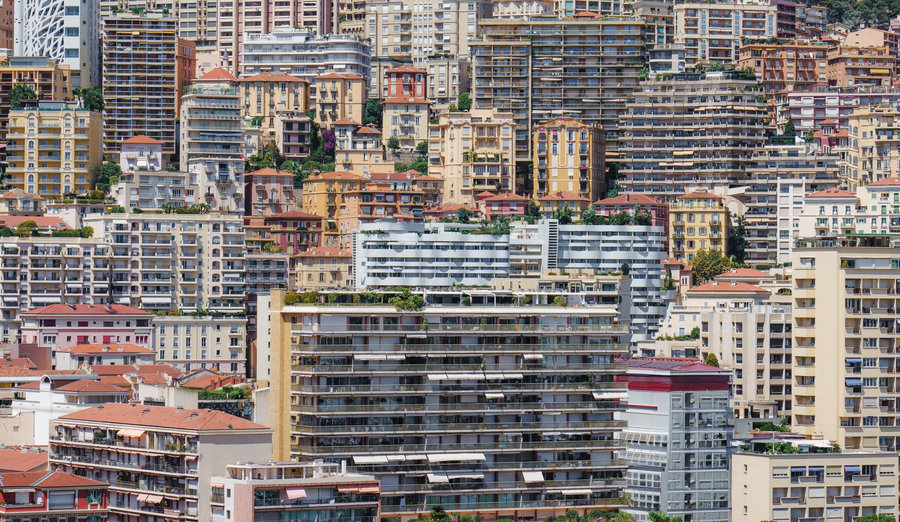
Larvotto’s marine protected area turns 50 in 2026. Its seagrass, seasonal fieldwork and everyday care offer a different way to understand Monaco’s coast.

By AGENCE Monaco

From a waterfront home or a walk beside the sea, the shoreline is easy to read as a view. Beneath it are habitats whose boundaries, rhythms and needs are less visible. The anniversary is a useful reason to look more closely, particularly for families who spend time in Monaco and want to understand the place beyond its addresses and events.

The following guide draws on the marine protected area manager’s published work, including reports from summer and autumn 2026. It separates documented observations from practical suggestions. It is an invitation to pay attention to a living coast, rather than a water-activity itinerary or a promise about what a visitor will see.

Two protected spaces, two different habitats

The Association Monégasque pour la Protection de la Nature, or AMPN, describes two marine protected areas: Larvotto and the Tombant des Spélugues. Larvotto includes a Posidonia seagrass meadow. Spélugues is a rocky drop-off near the entrance to Port Hercule, associated with a different, coralligenous habitat.

Those names should not be treated as interchangeable labels for Monaco’s entire waterfront. A beach, a harbour entrance and a protected underwater habitat are different places to understand. Start with the manager’s descriptions and maps before drawing conclusions from the view above the surface.

For a resident, this is useful local knowledge in its own right. It changes the questions you bring to a walk or a conversation with a guide: what lies beneath this stretch of water, who looks after it, and how is it observed? There is no need to turn the answer into a claim about an apartment’s environmental credentials.

Fifty years of protection, seen through current work

AMPN’s 2026 anniversary announcement marks the Larvotto protected area’s fiftieth year, tracing its creation to 1976. The anniversary provides a historical reference. The fieldwork published this year shows why protection is also a continuing activity.

It is worth reading the anniversary alongside those operational reports. Commemorating a place and checking its condition answer different questions. One explains continuity; the other concerns the patient work needed to understand what is happening in the water.

For an international household, that distinction offers a more substantial introduction to Monaco than collecting another list of landmarks. Read one current report before a visit, keep the date beside it, and return to the same subject on a later stay. Following a particular habitat over time can be more rewarding than trying to become an expert on the whole coastline in an afternoon.

Posidonia is a flowering plant

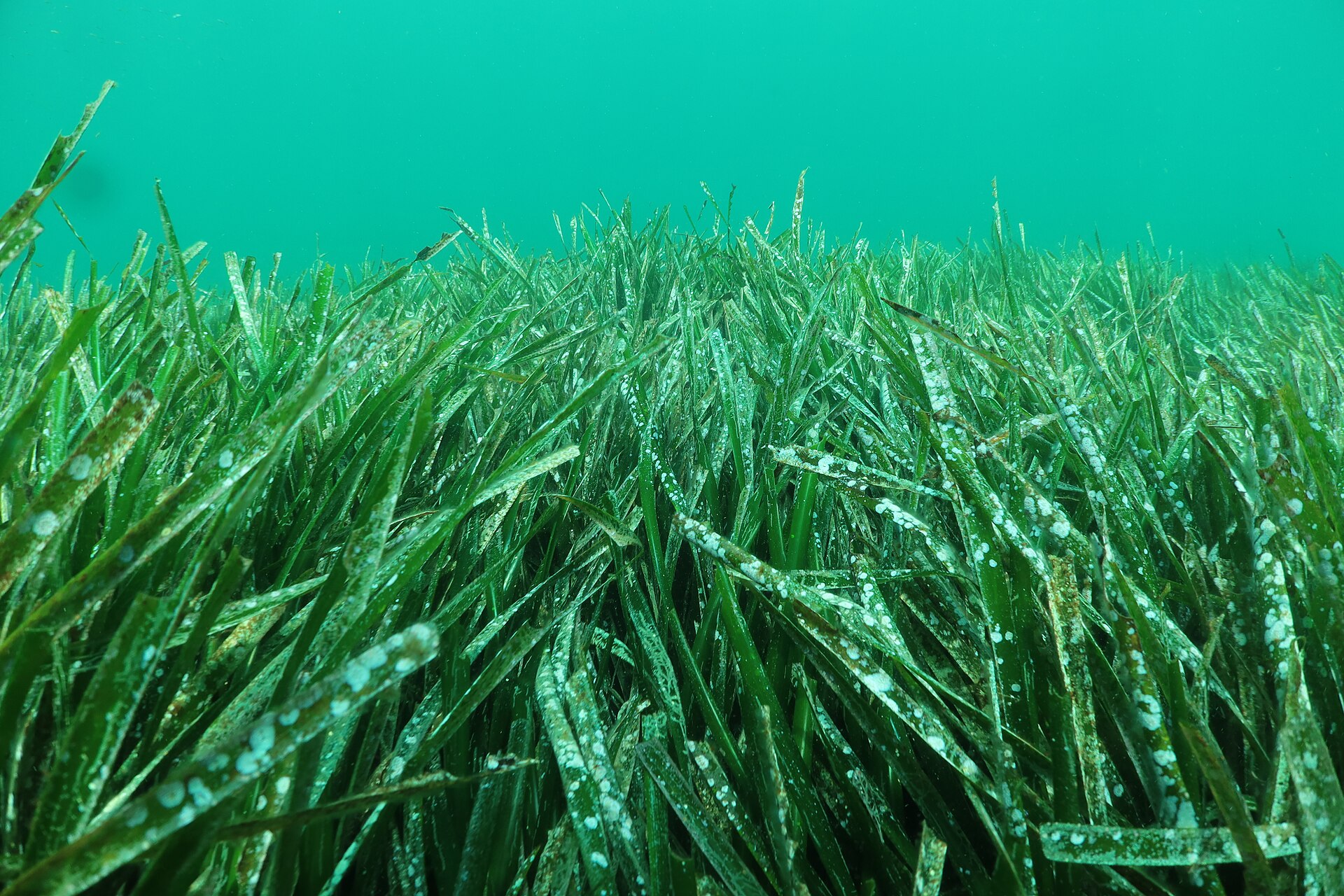
AMPN’s explanation of the Posidonia meadow describes a marine plant with roots, flowers and fruits. It is not an alga. Its meadow provides food, shelter and nursery habitat for other species.

This makes a useful starting point for a family conversation. What may look like a uniform patch of green is a habitat. Ask a qualified guide to explain how the plant grows and what can live around it, rather than treating the seabed as a backdrop for a photograph.

Observation does not require handling. As a practical habit, leave plants and animals where they are, avoid pulling at vegetation and keep any permitted observation at a respectful distance. These are suggestions for considerate behaviour, not a substitute for the rules applying to a particular location or activity. The photographs accompanying this section are identified illustrations from other Mediterranean locations, not evidence of a recent sighting in Monaco.

Illustrative Posidonia seagrass meadow in Calanque de Sormiou, Marseille, France.
Posidonia meadow in Calanque de Sormiou, Marseille, 2022. Illustrative Mediterranean photograph; Wikimedia web version resized to 1920 pixels. — Photo: Karim saari · CC BY 4.0

Read a survey as a survey

In its report of 16 July 2026, AMPN describes monitoring the Posidonia meadow, including shoot-density measurements and examination of leaves. The account makes the observation process tangible: the habitat is followed through specific measurements, not simply admired from shore.

A separate report dated 14 September 2026 records more than 4,000 juvenile fish from 13 species observed during that year’s campaign in the two protected areas. Those figures belong to that survey. They are neither the total fish population of Monaco nor a guarantee of what someone will encounter on a visit.

When reading environmental news, keep three things together: the subject measured, the period and the conclusion actually published. A description of monitoring methods should not be rewritten as a new health certificate. Equally, one count should not become an assertion of growth without a comparable series and an explicit analysis.

A protected place still needs everyday care

AMPN’s October 2026 account of the Larvotto cleanup reports 30.8 kilograms of waste collected, including 28.5 kilograms underwater. It is a concrete result from one operation, not a measure of the total pollution along the coast.

The lesson for daily life is practical. Keep small items secure beside the water, take rubbish away with you and think about what could be blown or washed out of reach. If something is lost, ask the appropriate local team how to report it rather than improvising a recovery that could put people or habitat at risk.

For families, agree on these small habits before a day outside. They are easier to follow when they are ordinary expectations, rather than a lecture delivered after something has gone wrong. A protected-area designation does not make those everyday choices irrelevant; it gives them a place-specific context.

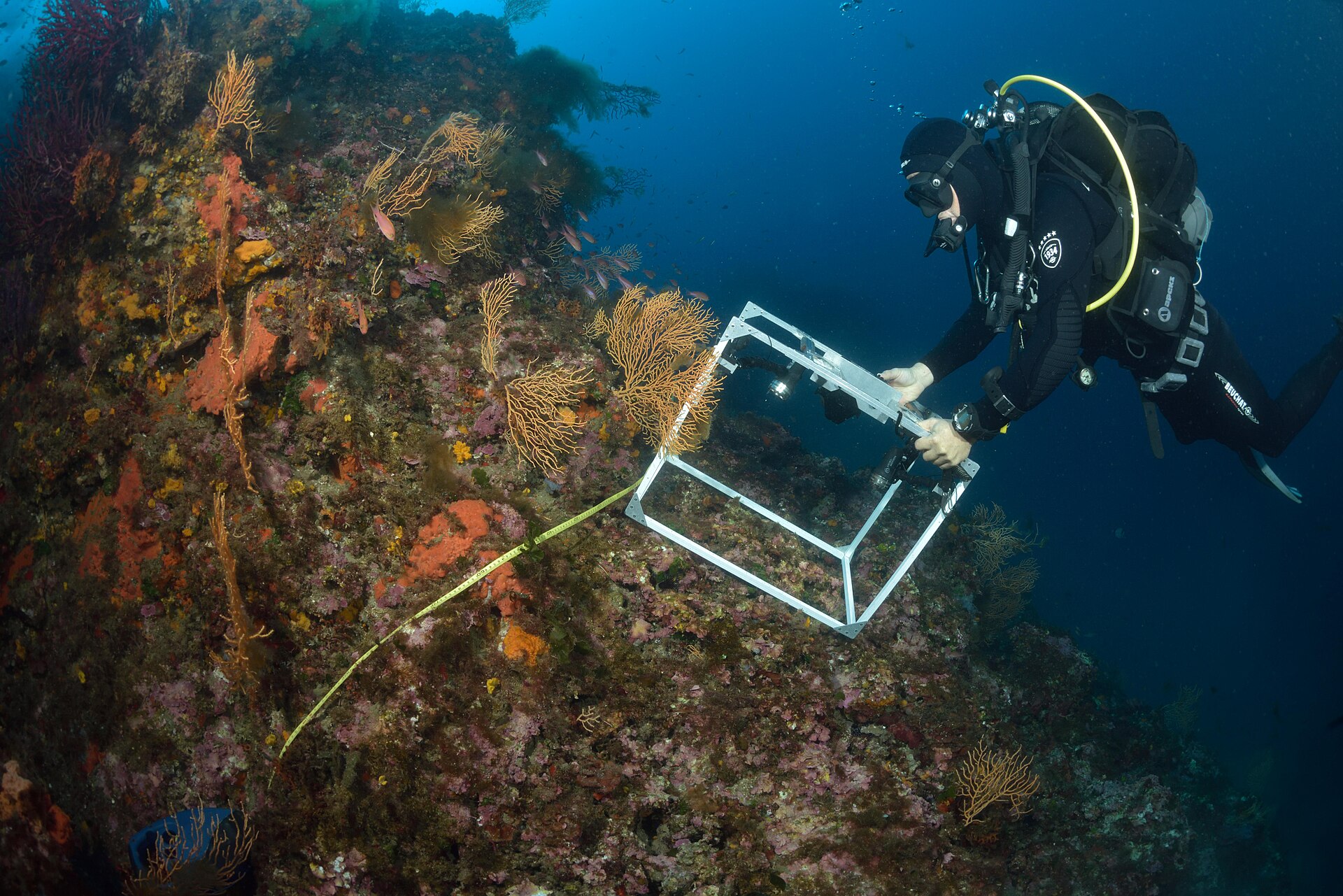
Illustrative photograph of photoquadrat monitoring at a coralligenous wall near Cap Sicié, France.
A diver surveys a coralligenous habitat near Cap Sicié, France, 2017. Illustrative photograph; Wikimedia web version resized to 1920 pixels. — Photo: Olivier Dugornay / Ifremer · CC BY 4.0

A beach is not a boundary map

A familiar beach name does not, by itself, establish the exact limits of a marine protected area or the conditions for a water activity. Swimming, navigation and protected habitats are addressed through different provisions in Monaco’s Code de la mer. Read current official information for the specific activity and location.

Before arranging anything on the water, ask the operator or competent local authority to identify where it takes place and which current instructions apply. Use the markings and information provided on site. Do not infer a route from a broad map caption or assume that one permission covers every nearby stretch of water.

This article does not assess today’s bathing conditions or water-quality results. Those are separate, time-sensitive questions to check through the current official information. A long-established protected habitat and a particular day’s conditions should not be confused. Nor should Larvotto’s designation be extended to a neighbouring development merely because it shares the same sea view.

Make room for a more attentive coastal visit

Choose what you want to understand before choosing an activity. A household interested in marine plants may have different questions from guests curious about monitoring work. Ask prospective guides what their explanation covers and how they confirm the arrangements for the selected location. Avoid treating a general mention of conservation as proof of a particular service or permission.

Keep an unhurried option on land as well. A conversation about the habitat, a reading of the manager’s latest report and time beside the water can be worthwhile without promising an underwater excursion. If conditions or arrangements change, the visit can still have a clear purpose.

For children, one precise question is often a better starting point than a collection of statistics: why is seagrass a plant, or what does a juvenile-fish survey measure? Let the answer lead to the next question. The aim is familiarity with a place, not a performance of expertise.

A living coast, understood over time

The fiftieth anniversary is an opportunity to connect Monaco’s visible shoreline with the work taking place below it. Keep a short note of the habitat that interests you, the dated source you read and the question you would like to revisit. That is a manageable way to build knowledge across successive stays.

If Monaco is becoming a regular part of your life, speak with AGENCE Monaco about the home and pattern of stays that suit your household. Understanding the coast can enrich that conversation without becoming a promise about property value, privileged access or environmental certification.

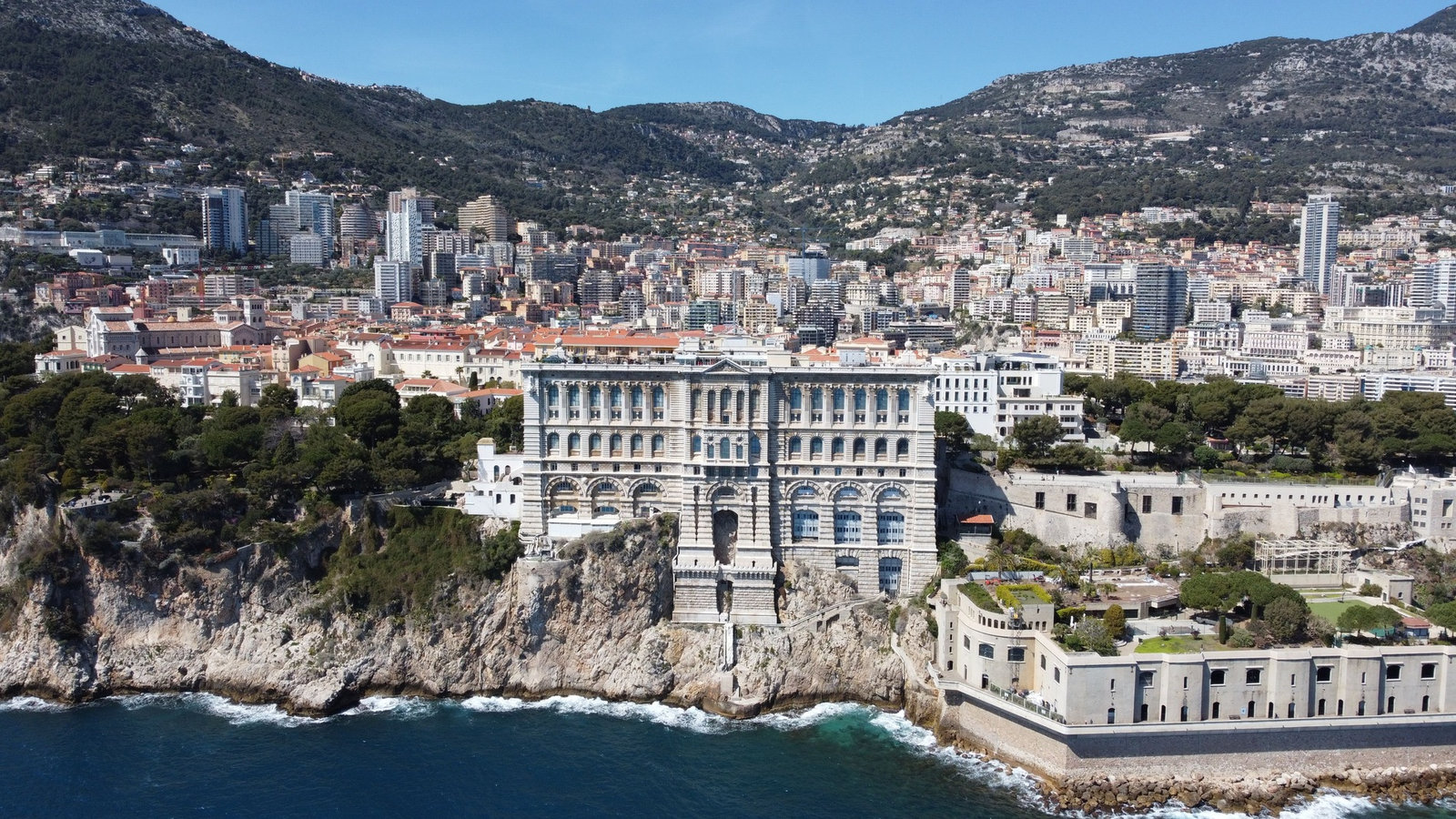
The Musée océanographique above the Monaco-Ville coast. Archive photograph. — Photo: Lazar Krstić / Pexels · Pexels License